The Role of Bulkhead in Enhancing Waterside Aesthetic Appeals and Capability
Bulkheads offer an essential feature in waterfront areas, stabilizing looks with useful advantages. They stabilize coastlines, mitigating disintegration while enhancing the visual landscape. With cautious design, these frameworks can transform barren areas right into vivid neighborhood centers. The materials and designs picked can significantly influence the atmosphere of the waterside. This junction of energy and charm increases crucial questions regarding future layout choices and their implications for metropolitan settings. What developments might redefine bulkhead capability?
Significance of Bulkheads in Shoreline Security
Bulkheads play a vital function in shoreline protection by functioning as barriers against disintegration and tornado rises. These structures, usually made from concrete, steel, or wood, are tactically mounted along shores and coastlines to support the land - Bulkhead on Lake Livingston. By absorbing and deflecting wave power, bulkheads prevent dirt variation and safeguard important home and framework from damage created by extreme weather problems. Additionally, they assist preserve water quality by reducing overflow and sedimentation, which can adversely impact aquatic communities
Along with their safety features, bulkheads can facilitate leisure activities such as angling and boating by offering secure access points along the shoreline. Their installation frequently adds to boosted safety and ease of access for both citizens and site visitors. Inevitably, bulkheads serve a critical function in protecting coastlines, ensuring that ecological equilibrium is maintained while safeguarding human rate of interests versus the forces of nature.

Aesthetic Contributions of Bulkheads
Bulkheads can substantially enhance the aesthetic allure of watersides via thoughtful style selections. By picking suitable colors and products, these structures can integrate with their environments, adding to a total visual experience. This integration not just boosts the appeal of the shoreline yet also mirrors the character of the local environment.
Visual Appeal Enhancement
While typically overlooked, the aesthetic payments of bulkheads play a substantial function in boosting the visual appeal of watersides. These frameworks provide a clear delineation in between land and water, creating a sense of order and company that is visually pleasing. By incorporating functional style with sculptural elements, bulkheads can balance with the all-natural surroundings, adding to the total landscape. Additionally, they can be created to match existing building functions or enhance the waterside's personality, making it a lot more inviting. The visibility of bulkheads can additionally motivate the unification of landscape design components, such as yards or seating locations, better improving the visual experience. Ultimately, well-designed bulkheads serve to boost the beauty and beauty of waterfront areas, making them extra eye-catching to visitors and locals alike.
Shade and Material Choices
The choice of color and materials for bulkheads substantially affects their aesthetic effect on beachfronts. Numerous materials, such as concrete, wood, and metal, offer unique appearances and appearances, permitting developers to develop aesthetically enticing frameworks that complement their environments. Natural timber can stimulate a rustic appeal, while smooth metal finishes might convey a modern-day visual.
Color options likewise play a crucial duty; vivid hues can energize a room, while soft tones promote a serene ambience. The appropriate mix of products and colors can enhance the total aesthetic experience, producing a cohesive appearance that attracts attention to the waterfront. Inevitably, thoughtful product and color selection adds to the bulkhead's capability while enriching the waterside's visual charm.
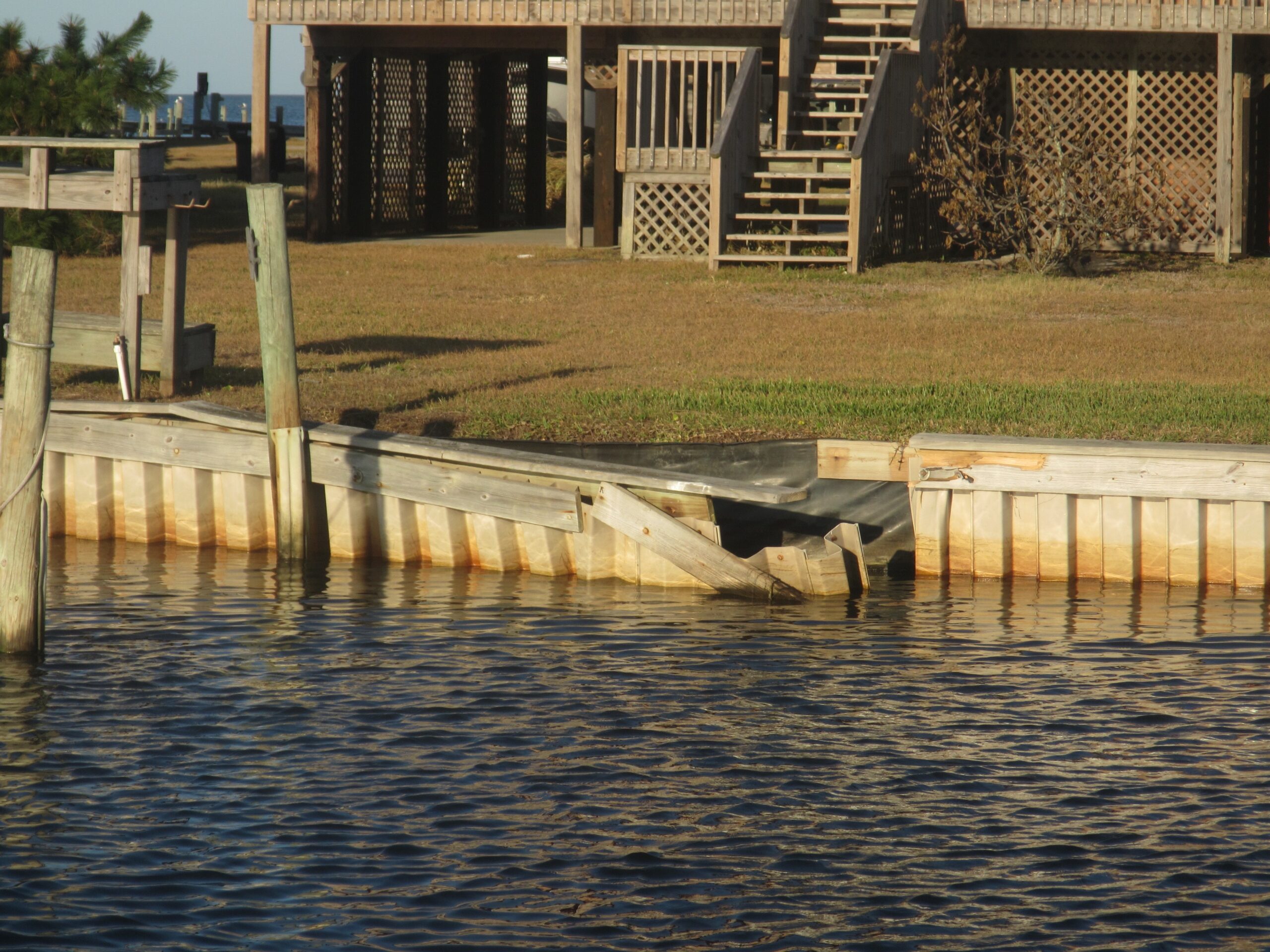
Assimilation With Environments
A thoughtfully developed bulkhead not just offers its useful objective however also plays a significant duty in improving the visual harmony of waterfront atmospheres - Bulkhead on Lake Livingston. By integrating effortlessly with the surrounding landscape, bulkheads can match all-natural features such as beaches, parks, and coastal plants. Their layout can show neighborhood building designs, making certain that they mix into the area's visual material. In addition, using sustainable products and native plants around bulkheads can advertise eco-friendly equilibrium while boosting visual charm. By focusing on combination with surroundings, bulkheads add to a cohesive beachfront experience that invites both regional homeowners and site visitors. This attention to visual information fosters a feeling of area, enriching the general personality of the waterfront
Entertainment Opportunities Developed by Bulkheads
Bulkheads play a crucial duty in enhancing leisure possibilities along waterfronts. They supply improved accessibility for angling, making it possible for anglers to get to deeper waters with ease. Furthermore, these structures help with different water sporting activities, supplying safe launch points and areas for tasks such as kayaking and paddleboarding.

Angling Access Improvements
While improving beachfront aesthetic appeals, angling accessibility enhancements additionally develop valuable leisure chances for neighborhood communities. Bulkheads can be developed with integrated angling systems, supplying anglers safe and practical accessibility to water bodies. These frameworks not just promote fishing but also work as observation points for wildlife, enabling citizens and site visitors to involve with nature. Better accessibility can bring about raised engagement in angling tasks, cultivating a feeling of area and advertising outside entertainment. On top of that, properly maintained angling areas can attract tourism, benefiting local economic situations. By giving marked angling zones, bulkheads contribute to sustainable angling methods, making sure that regional environments stay healthy and balanced while improving the overall experience for recreational fishers. Inevitably, these renovations improve beachfront spaces for all individuals.
Water Sports Facilitation
As waterfront areas advance, the assimilation of bulkheads plays a critical duty in promoting water sports and expanding recreational opportunities for neighborhoods. These frameworks provide steady gain access to factors for different activities, including useful content jet, kayaking, and paddleboarding winter sports. By developing assigned areas for releasing and docking, bulkheads enhance security and ease of access for enthusiasts of any ages. In addition, they help to define recreational locations, separating them from angling zones and boating networks, thereby lowering congestion and possible risks. The visibility of bulkheads also contributes to boosted water conditions, as they can assist minimize wave action and disintegration, developing a more positive environment for water sports. Eventually, bulkheads cultivate a dynamic beachfront society that encourages energetic way of livings and community engagement.
Ecological Benefits of Bulkheads
Though usually saw mostly as architectural elements, bulkheads supply substantial ecological advantages that enhance coastal ecological communities. By stopping disintegration, bulkheads maintain coastlines, which assists preserve marine habitats and safeguards vital plants. This stablizing motivates the development of natural buffer zones, allowing native plant species to flourish while promoting biodiversity.
Moreover, bulkheads can assist filter pollutants from stormwater runoff, enhancing water top quality in surrounding water atmospheres. By acting as obstacles, they likewise minimize sedimentation in rivers, maintaining the health and wellness of fish populations and various other water life. Additionally, bulkheads can function as substratum for marine microorganisms, cultivating environments for oysters, barnacles, and other types that contribute to environmental equilibrium.
Community Involvement and Bulkhead Layout
Reliable community interaction plays an important role in the layout of bulkheads, guaranteeing that local voices and point of views shape the growth procedure. Via participatory preparation, stakeholders-- consisting of homeowners, company proprietors, and environmental teams-- can contribute their preferences and understandings. This joint method not just fosters a feeling of ownership and pride amongst neighborhood participants but likewise boosts the bulkhead's functionality and aesthetic allure.
Public discussion forums, workshops, and surveys provide platforms for dialogue, enabling the identification of certain neighborhood needs and problems. By integrating comments, developers can develop bulkheads that reflect the distinct personality of the beachfront and address regional ecological issues. In addition, including the neighborhood in the style process can bring about innovative solutions that promote sustainability and resilience. Ultimately, effective engagement guarantees that bulkhead projects are not just aesthetically pleasing yet also serve the practical needs of the community, enhancing general waterside experiences.
Future Patterns in Bulkhead Advancement
The combination of community input in bulkhead style not only improves local relevance but also sets the phase for future innovations in bulkhead development. Arising patterns suggest a shift in the direction of eco sustainable materials, focusing on using eco-friendly and recycled components. This technique not only addresses ecological problems however likewise aligns with community worths concentrated on sustainability.
In addition, innovations in modern technology are leading the way for clever bulkhead systems furnished with sensing units that keep track of structural honesty and water degrees, giving real-time information for upkeep and safety and security.
In addition, visual considerations are developing, with an expanding emphasis on incorporating environment-friendly my site spaces and recreational locations into bulkhead layouts, enhancing the general waterfront experience.
As metropolitan locations grapple with climate change, resilient bulkhead designs that can More Info endure severe weather occasions are anticipated. These fads represent an action towards multifunctional, lasting, and community-oriented bulkhead developments that show the values and needs of contemporary culture.
Frequently Asked Concerns
What Materials Are Generally Made Use Of to Construct Bulkheads?
Typical materials utilized to create bulkheads consist of wood, concrete, plastic, and steel. Each material offers distinctive benefits, such as sturdiness, resistance to rust, and environmental impact, influencing their selection based upon specific site conditions and demands.
Exactly How Commonly Do Bulkheads Need Upkeep or Services?
Bulkheads typically need maintenance or repair services every 5 to 10 years, relying on ecological problems, products made use of, and exposure to water. Normal evaluations can assist determine issues early, stopping expensive repair services and ensuring durability.
Can Bulkheads Affect Local Wildlife Habitats Adversely?
Yes, bulkheads can negatively affect neighborhood wild animals habitats by interrupting all-natural shorelines, restricting access to tidal locations, and changing water flow, which may hinder the development of necessary plant life and influence local aquatic types' survival.
Are There Laws Governing Bulkhead Building And Construction and Positioning?
Yes, policies governing bulkhead building and placement generally exist at neighborhood, state, and government levels. These laws aim to guarantee environmental management, advertise sustainable practices, and lessen unfavorable influences on bordering ecosystems and areas.
What Is the Ordinary Life-span of a Bulkhead?
The ordinary lifespan of a bulkhead usually ranges from 25 to 50 years, depending on products used, environmental problems, and maintenance methods. Regular assessments and timely repair work can substantially prolong this lifespan.
Bulkheads can significantly enhance the visual allure of watersides via thoughtful layout options. While typically forgotten, the aesthetic payments of bulkheads play a significant function in enhancing the aesthetic allure of watersides. A thoughtfully made bulkhead not only serves its sensible objective yet also plays a significant function in improving the aesthetic consistency of beachfront environments. Bulkheads play an important function in improving entertainment possibilities along watersides. The assimilation of area input in bulkhead design not only improves regional importance yet additionally establishes the phase for future technologies in bulkhead development.